
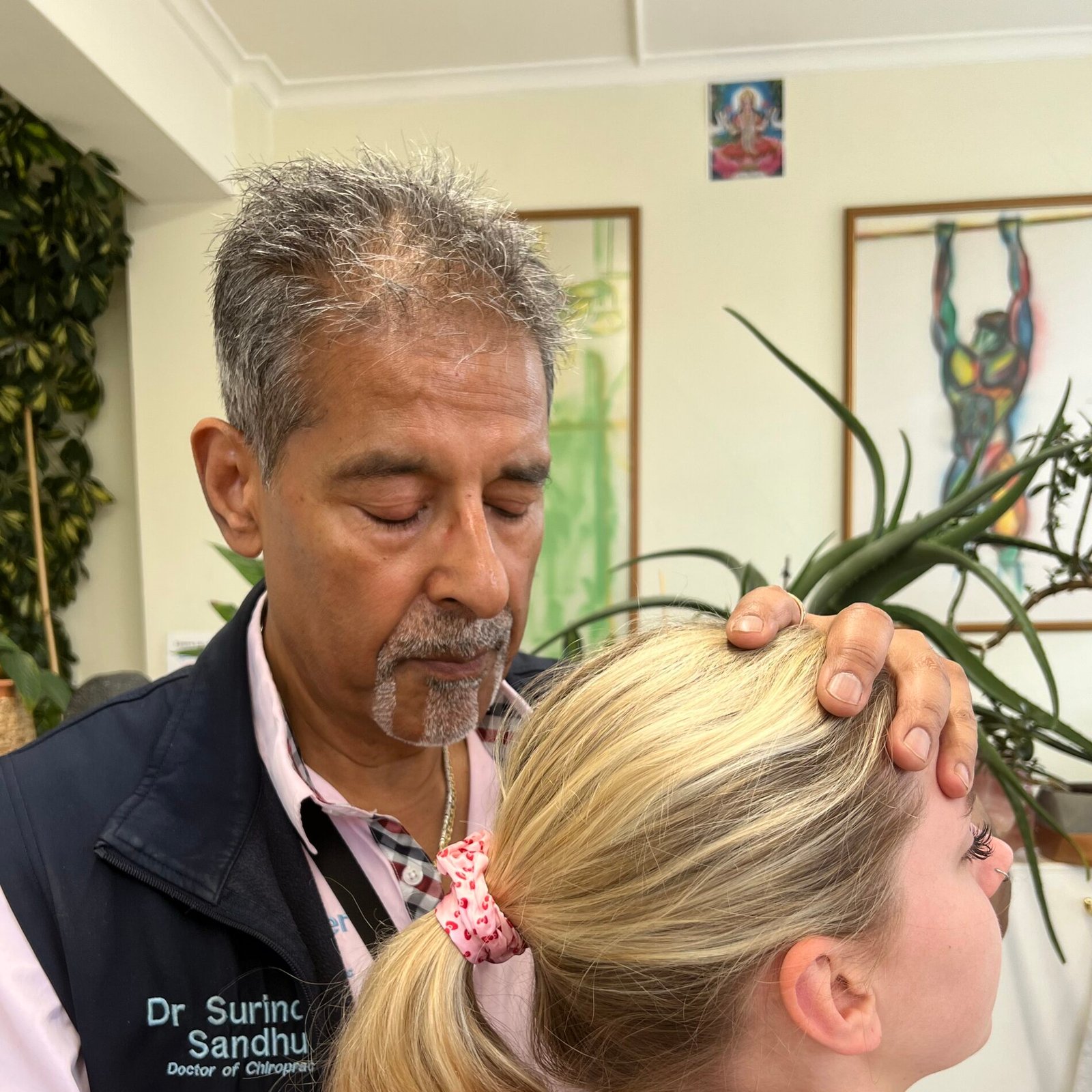
A dull, steady ache starting at the base of the skull and spreading upward over the head.
When Headaches Originate in the Neck
Not all headaches begin in the head. Many individuals experiencing persistent, band-like tension around the temples, pressure behind the eyes, or a dull ache at the base of the skull are actually experiencing cervicogenic headaches—headaches that originate from underlying mechanical issues in the cervical spine.
If pain medication only provides temporary relief, addressing the biomechanical function of your neck can help reduce both the frequency and intensity of your symptoms.
Why the neck matters
The Anatomical Neck-Head Connection
The upper three cervical nerves (C1, C2, and C3) share pain pathways with the trigeminal nerve—the primary sensory nerve of the face and head—within the brainstem (the trigeminocervical nucleus).
When the joints and suboccipital muscles of the upper neck are chronically restricted, strained, or inflamed, sensory signals cross over into this pathway. The brain interprets these signals as pain radiating across the head, forehead, or behind one eye.
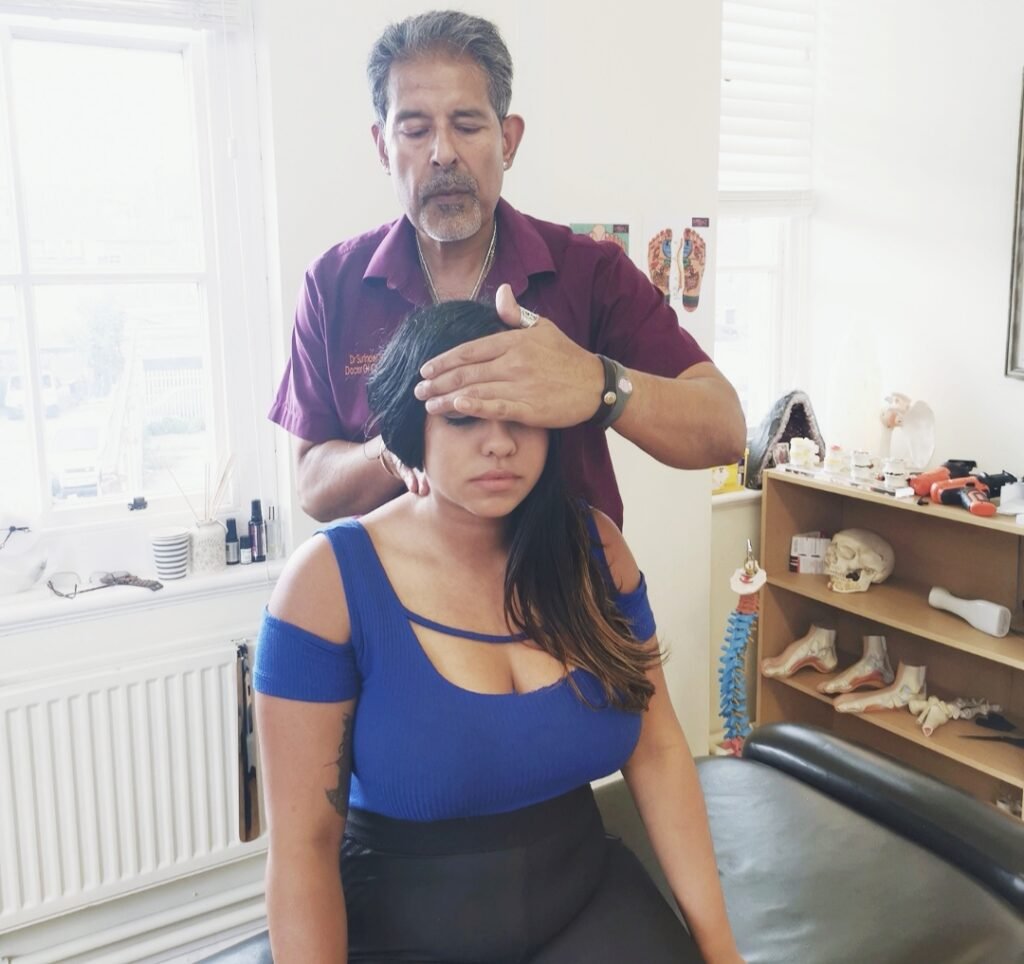
Common Signs of Cervicogenic Headaches
Headache discomfort that worsens when holding your head in one position (e.g., working at a computer or driving).
Accompanying neck stiffness, reduced head turning, and tight shoulder muscles.
Discomfort localised primarily to one side of the head or face.
Migraine prevention
ASA/CAP Approved Support for Migraine Prevention
Under UK advertising guidelines and clinical research recognised by the ASA and GCC, chiropractic care is recognised for migraine prevention. By restoring normal biomechanical function to the cervical spine and reducing physical muscular tension, chiropractic care can help lower physical triggers associated with migraine episodes.
Our Clinical Care Pathway
-
Differentiating Examination
We identify the characteristics of your headache to distinguish between cervicogenic headaches, tension headaches, migraines, or conditions requiring medical evaluation.
-
Suboccipital Muscle Release
Gentle, hands-on soft tissue therapy targeting the small, tight muscles beneath the base of your skull.
-
Upper Cervical Joint Mobilisation
Precise, gentle adjustments to restore natural movement to restricted C1–C3 joints.
-
Postural & Screen Ergonomics
Practical guidance on display heights, reading positions, and stretching routines to prevent recurring neck tension.