Where does the “chiropractic causes strokes” fear come from?
A few things have fuelled this:
Case reports
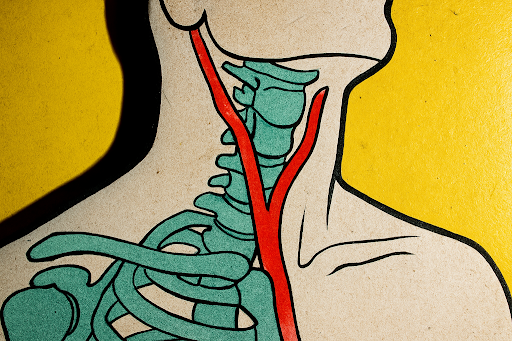
individual stories where a person had a neck manipulation and later suffered a stroke. Some of these show clear vertebral or carotid artery dissections (tears in the artery wall).
Media coverage
tragic cases understandably make news. They’re emotive and stick in people’s minds.
Biomechanical worries
it’s intuitively scary that we’re moving a mobile part of the body near arteries that go to the brain.
Case reports are important – they tell us what canhappen – but they cannot tell us how oftenit happens, or whether the treatment truly causedthe problem versus arriving in the middle of something that was already happening.
That’s where the big population studies come in.
First things first: What actually happens in a neck adjustment?
Before we talk strokes, it helps to know what a chiropractor is actually doing.
In a typical cervical adjustment:
Your head and neck are placed in a comfortable position.
The chiropractor takes up the slack in a joint that’s not moving well.
There’s a quick, controlled movementthrough a very small range.
You might hear a pop– that’s just gas shifting in the joint fluid, not bones grinding.
That pop (cavitation) is the same basic physics as cracking your knuckles: a rapid pressure change forms and collapses a tiny gas bubble in the joint.
The goal is to:
Get stiff joints moving, calm overprotective muscles and nerves, and reduce pain.
Most people walk out feeling looser or at least “different”. Some feel mild soreness for a day or two – like you’ve done a new workout. In large trials of spinal manipulation for back and neck pain, minor side effects(soreness, stiffness, temporary headache) are fairly common, but serious complications are rare.”
What do the big studies say about chiropractic and stroke?
This is the bit most people never see, because it’s not very clickbaity.
The famous Canadian study
A large population-based study from Ontario looked at people who had a specific type of stroke called vertebrobasilar artery (VBA) stroke, and checked whether they’d seen a chiropractor or a GP beforehand.
Here’s the interesting bit:
People who went to a chiropractorwith neck pain or headache had a slightly higher chance of VBA stroke in the next few days.
People who went to their GPwith neck pain or headache had a very similar increase.
The authors concluded:
The increased risk of VBA stroke after both chiropractic and GP visits is likely due to patients with early symptoms of arterial dissection(neck pain/headache) seeking care – notbecause chiropractic treatment itself is causing the strokes.
In other words:
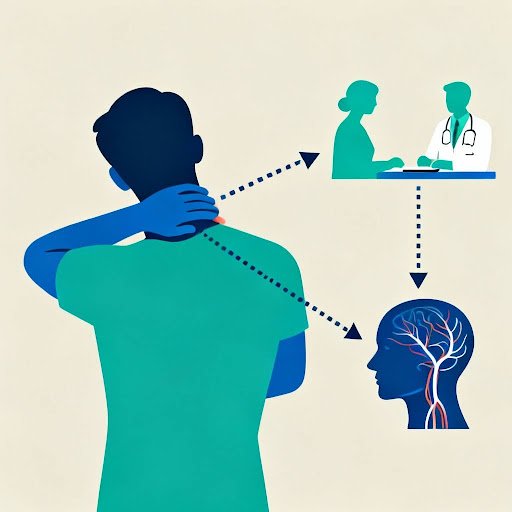
The artery problem is already starting.
Early symptoms = neck pain and/or headache.
The person seeks help (chiro or doctor).
The stroke shows up later.
So the visit and the stroke are associated, but the visit didn’t necessarily causethe stroke.
More recent data
A more recent analysis looking at cervical artery dissection and chiropractic care has said something similar: there’s a small statistical association, but the data don’t prove causation. The relationship can be explained by people with early dissection symptoms seeking care for neck pain/headaches.
There’s also a 2025 observational study comparing chiropractic and medical care for neck pain that again describes serious adverse events as uncommon, with most events mild and transient.
So… can a neck adjustment cause a stroke at all?
Here’s the honest, grown-up answer:
Yes, it’s theoreticallypossiblefor a forceful movement of the neck to contribute to a tear in an already vulnerable artery. Case reports show dissections and strokes occurring soon after neck manipulation.
But based on large population studies and systematic reviews, if this risk exists in otherwise healthy arteries, it appears to be extremely small– so small that it’s very hard to measure with certainty.
A 2017 overview of reviews on spinal manipulation found that:
Many reviews concluded spinal manipulation is generally safe, some highlighted harms, and many were neutral.
Incidence estimates for serious adverse events (SAEs) ranged roughly from 1 in 20,000 to 1 in 250,000,000 manipulations, depending on the data and assumptions used.
Another line of research:
A 2023 review of clinical trials using spinal manipulation for spinal pain (over 7,500 participants) reported no serious adverse events, with side effects mostly minor and short-lived.
A 2023 multicentre study in Hong Kong estimated that severe adverse events (grade ≥3) occurred in less than 1 in 100,000 spinal manipulation sessionsacross 30 clinics.
Do we know the exact risk number for stroke? No – and anyone who pretends they do is guessing. But the combined picture says:
Serious complications like stroke after neck manipulation are very rare, but likely not zero.
That’s the nuance: extremely low risk, not no risk.
What about the new 2024+ research on mechanisms?
Recent papers have looked at howmanipulation couldcause a problem, in theory, especially if arteries are already at risk.
A 2024 paper discussed plausible mechanisms by which cervical manipulation might precipitate immediate stroke in rare scenarios, especially when underlying arterial disease is present.
A 2025 review on cervical artery dissection summarised risk factors like connective tissue disorders, hypertension, migraine, infection, minor neck trauma, and certain lifestyle factors.
Those authors are not saying “never treat the neck”. They’re saying:
Arteries canbe vulnerable in some people.
We need to be good at screening.
We need to avoid high-risk patients/techniques.
This is exactly why modern guidelines and frameworks for manual therapy spend so much time on vascular red flagsand safe practice.
How rare are serious adverse events in general?
Zooming out from just strokes:
A 2007 systematic review of adverse effects of spinal manipulation found that mild to moderate side effects(like temporary pain, stiffness, fatigue) were relatively common, often starting within 24 hours and resolving in a couple of days. It also noted case reports of serious eventssuch as vertebral artery dissections, but said the true incidence was unknown.
Later reviews and scoping papers consistently describe serious adverse events as rare, especially when you look at the number of manipulations carried out worldwide.
A more recent 2019 BMJ review on spinal manipulative therapy for low back pain described serious adverse events as uncommon, with the majority of reported problems being minor and temporary.
Again: not “never”, but low frequency, particularly when clinicians follow good screening and technique guidelines.
So, is chiropractic “safe” overall?
If we define “safe” the way we do for most healthcare:
Nothing is zero risk.
We compare potential benefitvs likelihood and severity of potential harm.
From that perspective:
For many people with mechanical neck or back pain, spinal manipulation is considered an acceptable-risk option, and is even recommended in several spine pain guidelines (usually combined with exercise and self-management).
Serious adverse events, including stroke, appear to be very rare– but must still be taken seriously and discussed honestly.
If you’re otherwise healthy, have been properly screened, and are being treated by a registered, evidence-aware chiropractor, the absolute riskof a catastrophic event appears to be very low.
But here’s the key: youget to decide what level of risk you’re comfortable with, once you’ve had it explained clearly.
Who might need extra caution?
Some people sit closer to the “let’s be more careful” end of the spectrum.
Risk factors that may increase concern for cervical artery dissectioninclude:
Recent traumato the neck (whiplash, sports collisions, major falls)
Known connective tissue disorders(like Ehlers-Danlos)
Strong vascular risk factors(uncontrolled high blood pressure, certain clotting disorders)
Recent infectioncombined with new, unusual neck pain or headache
Sudden, severe “thunderclap” headache
Neurological symptoms:
Double vision
Slurred speech
Drooping face
Sudden loss of balance
Weakness or numbness in face/limbs
If you’ve got anything on that list, or new neurological symptoms, a good chiropractor will:
Hit pause on neck manipulation and send you for urgent medical assessment– not more adjusting.
Modern frameworks (like the IFOMPT cervical framework and Australian guidelines for cervical manual therapy) emphasise exactly this kind of vascular screening before neck treatment.
What should your chiropractor be doing to keep you safe?
Here’s what good practice looks like in real life.
Sometimes gentle positional tests – but newer safety frameworks emphasise clinical reasoningand history more than provocative “artery tests,” which aren’t very sensitive or specific.
3. Technique selection
Not every neck needs a fast thrust. Alternatives include:
Gentle mobilisation
Low-force instrument-assisted techniques
Work on the thoracic spine, ribs, shoulders and soft tissues
Exercise and postural strategies
In higher-risk or more anxious patients, many chiropractors simply avoid cervical thrustsand use alternatives.
4. Informed consent (this bit really matters)
You should get a clear, adult conversation covering:
What they think is going on
What they propose to do
Expected benefits
Common, mild side effects
Rare but serious risks (including stroke with neck manipulation)
You should get a clear list of expected mild reactions and what serious symptoms would warrant urgent care (speech trouble, severe headache, sudden weakness, etc.).
The bottom line (friend-to-friend)
Here’s the takeaway in plain language:
Can a neck adjustment cause a stroke?
In theory, yes, in very rarecases, particularly if an artery is already vulnerable. Case reports exist and we shouldn’t pretend they don’t.
Does the best available evidence say chiropractic adjustments are causing strokes left, right and centre in healthy people?
No. Large studies show similar stroke patterns after visits to GPs and chiropractorsfor neck pain/headache, suggesting that early arterial dissection symptoms drive people to seek care – not that treatment is usually the cause.
How risky is it, roughly?
Serious adverse events after spinal manipulation appear to be very rare(estimates vary, but often quoted as significantly less than 1 in tens of thousands to millions of treatments), while minor soreness is common and usually short-lived.
Can you reduce the risk further?
Yes, by:
Choosing a properly registered, evidence-aware chiropractor
Being open about your symptoms and health history
Asking about alternatives if you’re anxious about neck thrusts
Making sure you’ve had a real informed consentconversation
Bedford Chiropractic Clinic Ebenezer House, Ground Floor Front 2-10 St. Johns Street Bedford, MK42 0DH Please enter "Ebenezer House" for Sat Nav directions.
can chiropractors cause stroke, how long after neck manipulation can a stroke occur, can chiropractors cause a stroke, chiropractor stroke, chiropractic care and strokes, chiropractors and stroke, do chiropractors cause strokes, stroke bedford, can chiropractors cause strokes, can chiropractic cause strokes, chiropractor stroke risk
Understanding Chiropractic Safety and Stroke Risks
Chiropractic care has gained popularity for treating various musculoskeletal issues, but concerns about its safety, particularly regarding the risk of stroke, often arise. This comprehensive overview aims to clarify the relationship between neck adjustments and stroke, providing patients with the knowledge needed to make informed decisions about their care.
Research indicates that while there is a theoretical risk associated with neck manipulation, the actual incidence of stroke following chiropractic adjustments is exceedingly rare. By understanding the nuances of chiropractic techniques and the importance of proper screening, patients can better navigate their treatment options and address any lingering fears.
Common Misconceptions About Chiropractic Care
Many individuals harbor misconceptions about chiropractic treatments, often fueled by sensational headlines and anecdotal stories. One prevalent myth is that chiropractic adjustments can lead to immediate and severe complications, such as strokes, without considering the broader context of patient health and the rarity of such events.
In reality, chiropractic care is generally safe when performed by trained professionals who adhere to established guidelines. By debunking these myths, patients can approach chiropractic treatment with a clearer understanding of its benefits and risks, fostering a more informed relationship with their healthcare providers.
The Role of Informed Consent in Chiropractic Treatment
Informed consent is a critical aspect of chiropractic care, ensuring that patients understand the procedures and potential risks involved. A thorough discussion between the chiropractor and patient about treatment options, expected outcomes, and possible side effects fosters trust and transparency in the therapeutic relationship.
By prioritizing informed consent, chiropractors empower patients to make educated choices about their care, addressing any concerns about safety and efficacy. This dialogue is essential, especially for those apprehensive about neck adjustments or with pre-existing conditions that may heighten their risk.
Alternative Approaches to Neck Pain Management
For patients who may be hesitant about chiropractic neck adjustments, several alternative approaches exist for managing neck pain effectively. These alternatives include physical therapy, gentle mobilization techniques, and exercise regimens designed to improve strength and flexibility without the need for high-velocity adjustments.
By exploring these options, patients can find a tailored approach that aligns with their comfort levels and health goals. Integrating various treatment modalities can lead to improved outcomes while minimizing any perceived risks associated with more aggressive chiropractic techniques.
can chiropractors cause stroke, how long after neck manipulation can a stroke occur, can chiropractors cause a stroke, chiropractor stroke, chiropractic care and strokes, chiropractors and stroke, do chiropractors cause strokes, stroke bedford, can chiropractors cause strokes, can chiropractic cause strokes, chiropractor stroke risk
Understanding Chiropractic Safety and Stroke Risks
Chiropractic care has gained popularity for treating various musculoskeletal issues, but concerns about its safety, particularly regarding the risk of stroke, often arise. This comprehensive overview aims to clarify the relationship between neck adjustments and stroke, providing patients with the knowledge needed to make informed decisions about their care.
Research indicates that while there is a theoretical risk associated with neck manipulation, the actual incidence of stroke following chiropractic adjustments is exceedingly rare. By understanding the nuances of chiropractic techniques and the importance of proper screening, patients can better navigate their treatment options and address any lingering fears.
Common Misconceptions About Chiropractic Care
Many individuals harbor misconceptions about chiropractic treatments, often fueled by sensational headlines and anecdotal stories. One prevalent myth is that chiropractic adjustments can lead to immediate and severe complications, such as strokes, without considering the broader context of patient health and the rarity of such events.
In reality, chiropractic care is generally safe when performed by trained professionals who adhere to established guidelines. By debunking these myths, patients can approach chiropractic treatment with a clearer understanding of its benefits and risks, fostering a more informed relationship with their healthcare providers.
The Role of Informed Consent in Chiropractic Treatment
Informed consent is a critical aspect of chiropractic care, ensuring that patients understand the procedures and potential risks involved. A thorough discussion between the chiropractor and patient about treatment options, expected outcomes, and possible side effects fosters trust and transparency in the therapeutic relationship.
By prioritizing informed consent, chiropractors empower patients to make educated choices about their care, addressing any concerns about safety and efficacy. This dialogue is essential, especially for those apprehensive about neck adjustments or with pre-existing conditions that may heighten their risk.
Alternative Approaches to Neck Pain Management
For patients who may be hesitant about chiropractic neck adjustments, several alternative approaches exist for managing neck pain effectively. These alternatives include physical therapy, gentle mobilization techniques, and exercise regimens designed to improve strength and flexibility without the need for high-velocity adjustments.
By exploring these options, patients can find a tailored approach that aligns with their comfort levels and health goals. Integrating various treatment modalities can lead to improved outcomes while minimizing any perceived risks associated with more aggressive chiropractic techniques.