Is Chiropractic Care Safe – And Can It Cause a Stroke?
Let’s be honest
Most people only know two things about chiropractic:
“They crack your back.”
“Some people swear by it… some people swear at it.”
So when you ask:
“What ischiropractic, and how does it actually work to relieve pain?”
…what you’re really asking is:
“Is there real sciencebehind this, or is it just fancy cracking?”
“What exactly are you doing to my spine and nerves?”
“Is this something I can feel confident using alongside other care?”
Grab a tea. I’ll walk you through this as if you were a close friend sitting in my clinic, asking, “Right, talk to me properly. No fluff.”
1. So… what actually is chiropractic?
Forget the stereotypes for a moment.
In plain language:
Chiropractic is a drug-free, hands-on approach that focuses on how your spine, joints, and nervous system move and function – with the goal of reducing pain and improving how you live your life.
Most people see a chiropractor for things like:
Low back pain
Neck pain
Sciatica (leg pain from the back)
Certain headaches (especially neck-related)
Shoulder, mid-back, or hip issues that feel “stuck” or restricted
A modern chiropractor doesn’t just “click things”.
They usually combine:
Assessment & diagnosis
Spinal and joint manipulation(the famous “adjustments”)
Gentle mobilisations(slower movements)
Soft-tissue techniques(muscle and fascia work)
Exercise and rehab
Ergonomic, sleep, and lifestyle coaching
Guidelines for spine pain now place spinal manipulation alongside other conservative therapies like exercise and education for low back pain, especially when it’s persistent.
So it’s not witchcraft. It’s one of the tools in the evidence-based conservative care toolbox.
2. What actually happens in a first chiropractic visit?
Let’s de-mystify the experience.
A good first visit typically looks like this:
a) A proper conversation, not a quick “where does it hurt?”
You’ll go through:
Your story– when it started, what makes it worse or better, what you’ve tried already
Your life– work, hobbies, sports, stress levels, sleep, general health
Your worries– “Is this a disc? Is it dangerous? Will I end up needing surgery?”
This is where we’re already narrowing down:
Is this likely a mechanical problem(joints, muscles, nerves, loading)… or something more serious that needs medical investigation?
b) Physical and neurological examination
This isn’t just “touch toes and twist”.
It can include:
Posture and movement checks
Range-of-motion (how far things move – and where they hurt)
Muscle strength tests
Reflexes, sensation, nerve tension tests
Specific orthopaedic tests to provoke or ease symptoms
This is about pattern recognition:
Does your pain behave like non-specific mechanical low back pain?
Or like sciatica from a specific nerve root?
Or like a neck-related (cervicogenic) headache?
Serious “red flag” patterns (e.g. cancer, infection, fracture, cauda equina) should trigger immediate medical referral or imaging, not more manipulation.
c) Explanation + plan
By the end of the consult, you should hear something like:
“This looks like mechanical low back pain with some disc irritation and muscle guarding.”
“The good news: it doesn’t look like cancer, infection, or a serious nerve compression today.”
“Here’s what I recommend we do for the next 2–4 weeks, and what we expect to see change.”
You should understand:
What’s wrong(in simple terms)
What we’re going to do(techniques, frequency, home advice)
How we’ll know it’s working
When we’ll review and what happens if it doesn’t improve
If you don’t get that clarity, you’re allowed to say, “Can you explain that again in plain English?”
3. What is a chiropractic adjustment, really?
This is the famous bit everyone recognises visually but not conceptually.
A spinal adjustment(or high-velocity, low-amplitude manipulation) is:
A quick, precise movement applied to a specific joint, within a safe range, aimed at improving its motion and changing how the nervous system is firing in that area.
Key points:
High-velocity= quick
Low-amplitude= small movement, not yanking your head off
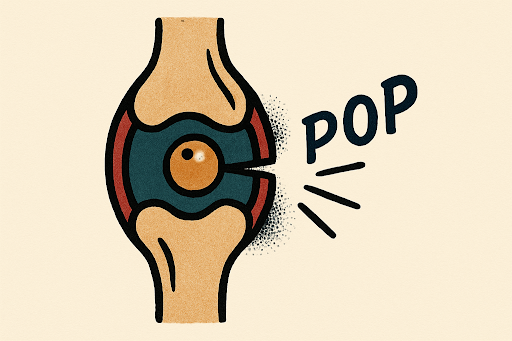
Usually accompanied by that “pop”(cavitation) – gas shifting in the joint
But chiropractors don’t just use thrusts. They also use:
Joint mobilisations– slow, rhythmical movements
Instrument-assisted adjustments– using a small device that delivers a gentle impulse
Soft-tissue techniques– muscle/trigger point/fascia work
In real practice, an adjustment is one toolinside a session, not the whole session.
4. OK but how does that relieve pain?
Great question – and this is where it gets interesting. It’s not just “bones back in place”.
Modern research suggests spinal manipulation works through multiple mechanisms:
If a joint is stiff or not moving properly, you often get:
Local irritation
Protective muscle spasm
Altered movement patterns above and below
An adjustment or mobilisation can:
Increase joint range-of-motion
Temporarily reduce muscle tightness or guarding
Change joint loading and movement patterns
A 2023 randomized trial in chronic primary low back pain found that a 12-session course of spinal manipulation produced greater pain relief than a sham/control intervention, suggesting mechanical and/or neurophysiological benefits beyond placebo.
Another recent RCT (2025) looking at spinal manipulation in spine pain found that properly delivered high-velocity, low-amplitude techniques produced clinical improvements compared with some control approaches, supporting a real treatment effect.
So, at the very local level:
Joints move better → muscles calm down → less mechanical irritation.
5. What does the science say – does chiropractic actually work for pain?
Let’s talk outcomes, not just theory.
We’ll focus on spine pain and headaches, because that’s where the bulk of the research is.
5.1 Low back pain
Low back pain is the big one. It’s common, stubborn, and often multi-factorial.
A large 2019 BMJ systematic review of spinal manipulative therapy for chronic low back pain concluded:
Spinal manipulation is as effective as other recommended therapies(like usual medical care, exercise) for pain and function.
The size of the effect is modeston average – like most back pain treatments.
Serious adverse events appear to be rare.
A huge 2025 umbrella review of non-surgical treatments for low back pain found that only a handful of interventions (including exercise and spinal manipulation) showed small but real pain-relieving effectsbeyond placebo.
Recent clinical practice guideline overviews (2024) note that:
For subacute low back pain, spinal manipulation is one of the recommended non-drug options alongside exercise and staying active.
For chronic low back pain, guidelines commonly recommend:
Exercise
Education/self-management
Spinal manipulation
Sometimes acupuncture and psychological interventions.
The American College of Physicians guideline also recommends non-drug therapies such as spinal manipulationfor acute and subacute low back pain before medications.
So the honest summary for low back pain:
On average, spinal manipulation gives small-to-moderate improvementsin pain and function – about as good as the other main conservative options – and it’s one of the treatments that big guidelines say is reasonable to use, especially combined with exercise and education.
5.2 Neck pain
Neck pain is a bit less studied than low back pain, but similar patterns emerge:
Manual therapy (including manipulation and mobilisation), often combined with exercise, tends to produce modest improvementsin pain and function.
NICE and other guidelines often recommend thoracic manipulation with neck exercisesfor some types of neck pain and mobility deficits.
Again, not magic – but a useful piece of the conservative-care puzzle, especially when integrated with movement and self-management.
5.3 Headaches (especially neck-related headaches)
Headache is broad; we’re mainly talking about:
Cervicogenic headache– thought to arise from structures in the neck
Some tension-type headaches
A 2020 systematic review found that for cervicogenic headache, spinal manipulation provides small but superior short-term benefitsfor pain, frequency, and disability compared with some controls, though long-term effects are less clear and evidence quality is variable.
More recent work (2024 RCT) showed cervical spine manipulation was more effective than thoracic manipulation and conventional physiotherapy in improving pain and disability in cervicogenic headache.
Older reviews also noted some benefit of manipulation for chronic headache disorders, but emphasised the need for better-quality trials.
So the honest takeaway:
For some headache types—especially neck-related headaches—chiropractic spinal manipulation can help some people, particularly in the short term and when combined with other strategies.
6. What chiropractic does not do
Let’s clear a few things up.
It does not“put bones back in” that are totally out of place
If your spine were truly “out of place” in the dramatic way some diagrams show, you’d likely be in an emergency department, not a clinic.
We’re dealing with:
Subtle alignment and movement changes
Joint stiffness or restricted segments
Muscle guarding and altered movement patterns
Not dislocated vertebrae floating around your body.
It does notcure every health problem under the sun
You’ll see claims online that adjustments:
Fix asthma
Cure gut diseases
Solve fertility issues
The reality:
There is insufficient high-quality evidenceto say spinal manipulation directly treats most non-musculoskeletal conditions.
Any improvements people notice in those areas are usually indirect (less pain → better sleep → lower stress → better lifestyle choices).
Most evidence-based chiropractors today focus on musculoskeletal and neuromusculoskeletal problems– where the science is strongest.
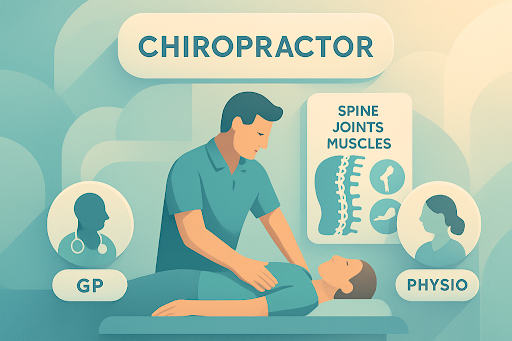
It does notreplace your GP, physio, or specialist
Chiropractic is part of the team, not a rival.
The best results often come when:
GPs handle red flags, medication, and medical referrals.
Physios or trainers support progressive rehab and conditioning.
Chiropractors contribute hands-on care, spinal/joint work, and movement coaching.
Different tools. Same goal: get you functioning and feeling better.
7. Who is a good candidate for chiropractic care?
You might be a good fit if:
Your main complaints are back, neck, joint or muscle pain
Pain clearly changes with movement, posture, or load
You don’t have red-flag signs (unexplained weight loss, fever, cancer history, serious trauma, cauda equina symptoms, etc.)
You’re willing to engage in exercise and lifestyle changes, not just passive treatment
You might need careful co-management or alternative plans if:
You have osteoporosis, inflammatory arthritis, or other conditions affecting bone integrity
You have significant neurological disease
You’re on blood thinners or have known vascular issues
Pain is accompanied by worrying systemic signs
A good chiropractor will:
Screen you properly
Adapt techniques
Refer or co-manage when needed
If they neverrefer or “don’t believe” in working alongside medicine, that’s a red flag.
8. What does an integrated chiropractic plan look like?
The best question you can ask yourself is not:
“Should I onlysee a chiropractor?”
…but:
“How could chiropractic fit into a bigger planto get me out of pain and keep me there?”
A strong integrated plan usually includes:
Education and reassurance
Understanding what’s going on, and what’s notgoing on (e.g., “This isn’t your spine crumbling”).
Manual therapy
Adjustments, mobilisation, soft-tissue work
Used to reduce pain and stiffness enough that you can start moving more freely
Exercise and rehab
Targeted strengthening and mobility work
Graded exposure back into the things you’ve been avoiding
Strong evidence that exercise is one of the best long-term toolsfor back pain and general MSK health
Lifestyle and load management
Workstation and posture tweaks
Sleep, stress, and activity pacing
Gradually changing the habits that fed the problem in the first place
Spinal manipulation by itself can help – but research and guidelines are clear: it works bestas part of a packagethat includes exercise and self-management.
9. Is chiropractic safe? (Short, honest version)
We covered stroke risk in detail in the previous blog, so here’s the quick, broader safety snapshot.
Minor side effects(soreness, stiffness, temporary headache) after spinal manipulation are relatively common, often starting within 24 hours and settling in a day or two.
Serious adverse events(like cauda equina syndrome, severe neurological issues, arterial dissection) are rare, especially in the context of low back pain manipulation; the 2019 BMJ review described them as uncommonand usually reported in case reports rather than large trials.
Recent RCTs totalling thousands of spinal manipulation sessions report no serious adverse events, only minor transient ones.
So in practice:
For most people with straightforward mechanical spine pain, spinal manipulation delivered by a trained clinician appears to have a good safety profile, with serious complications very rare, but not zero.
Your chiropractor should always:
Screen for red flags
Adapt techniques to your age, condition, and preferences
Discuss risks/benefits and alternatives so you can make an informed choice
10. How to choose a chiropractor you can trust
Here’s your mini checklist.
Look for:
Proper registrationwith your country’s regulatory body
Willingness to explain your diagnosis and planclearly
Use of guideline-consistent language(e.g., encouraging movement, exercise, self-management)
Collaboration with GPs, physios, and other professionals when appropriate
Time for questions and informed consent
Be cautious if:
They promise to cure unrelated diseaseswith adjustments alone
They insist on full-spine X-rays for everynew patient without clinical justification
They pressure you into huge long-term packages with no review points
They discourage you from seeing your GP or taking prescribed medications
Everything is framed in fear (“Your spine is degenerating unless you come forever”)
You want someone who is:
Confident but humble, skilled with their hands but also happy to notadjust if it’s not appropriate that day
The bottom line (friend-to-friend)
If you strip away the noise, chiropractic is simply:
A way of helping sore, stiff, overloaded bodies move and feel better by combining hands-on work with smart movement and lifestyle changes.
From the research we have right now:
For low back pain, spinal manipulation offers small-to-moderate improvementsin pain and function and is one of the few non-surgical treatments with consistent evidence.
For neck pain and some headaches, it can help some people, especially short term, and especially when combined with exercise.
It works through a mix of mechanical, nervous system, and psychosocialmechanisms – not just “bones in/out”.
Serious complications appear to be very rare, while minor soreness is fairly common and usually short-lived.
Is it a miracle cure? No.
Is it snake oil? Also no.
It’s a legitimate, evidence-supported optionfor many people with spine-related pain – especially when combined with exercise, education, and sensible lifestyle changes.
And you always get to ask:
“Does this make sense for me, in my situation, right now?”
If you keep that question front and centre – and work with a chiropractor who welcomes it – you’re using chiropractic exactly the way modern science would want you to.
The bottom line (friend-to-friend)
If you’re living with back pain, neck tension, sciatica, headaches or just feel your body isn’t moving the way it should, you don’t have to put up with it or try to guess what’s wrong.
At Bedford Chiropractic Clinic, we offer a £49 new patient consultationwhere we:
Listen to your story
Examine your spine, joints and nervous system
Explain clearly what we’ve found and what your options are
Bedford Chiropractic Clinic Ebenezer House, Ground Floor Front 2-10 St. Johns Street Bedford, MK42 0DH Please enter "Ebenezer House" for Sat Nav directions.
what is chiropractic, what is chiropractor, chiropractic what do they do, chiropracthy
Understanding Chiropractic Techniques
Chiropractic care involves a variety of techniques designed to improve spinal function and alleviate pain. Common methods include spinal manipulation, joint mobilization, and soft tissue techniques. Each approach is tailored to the individual’s needs, focusing on restoring mobility and reducing discomfort.
For instance, spinal manipulation, often referred to as an adjustment, is a quick, precise movement applied to a specific joint. This technique aims to enhance joint motion and influence the nervous system's function in the affected area, thereby providing pain relief and improved mobility.
Benefits of Chiropractic Care
Chiropractic care offers numerous benefits beyond pain relief. Many patients report improvements in overall well-being, including enhanced mobility, better posture, and increased energy levels. Regular chiropractic adjustments can also contribute to improved athletic performance and reduced risk of injury.
Research indicates that chiropractic care can effectively manage various conditions, such as headaches, neck pain, and chronic back pain. By addressing the underlying issues rather than just symptoms, chiropractic treatment promotes long-term health and wellness.
Chiropractic Care for Athletes
Athletes often turn to chiropractic care to enhance performance and prevent injuries. Chiropractic adjustments can help maintain optimal spinal alignment, which is crucial for peak physical performance. By addressing musculoskeletal imbalances, chiropractors help athletes achieve better coordination and strength.
Additionally, chiropractic care can aid in faster recovery from injuries. Techniques such as soft tissue therapy and rehabilitation exercises are integrated into treatment plans, allowing athletes to return to their sport more quickly and safely while minimizing the risk of future injuries.
Frequently Asked Questions about Chiropractic Care
Many people have questions about chiropractic care, particularly regarding its safety and effectiveness. Common inquiries include: "Is chiropractic care safe for everyone?" and "How long will I need to see a chiropractor?" Understanding the answers to these questions can help potential patients make informed decisions about their health.
Chiropractors are trained to assess individual needs and tailor treatments accordingly. They prioritize patient safety and work collaboratively with other healthcare providers when necessary. Many patients find that a few sessions can lead to significant improvements, while others may benefit from ongoing care to maintain their health.
what is chiropractic, what is chiropractor, chiropractic what do they do, chiropracthy
Understanding Chiropractic Techniques
Chiropractic care involves a variety of techniques designed to improve spinal function and alleviate pain. Common methods include spinal manipulation, joint mobilization, and soft tissue techniques. Each approach is tailored to the individual’s needs, focusing on restoring mobility and reducing discomfort.
For instance, spinal manipulation, often referred to as an adjustment, is a quick, precise movement applied to a specific joint. This technique aims to enhance joint motion and influence the nervous system's function in the affected area, thereby providing pain relief and improved mobility.
Benefits of Chiropractic Care
Chiropractic care offers numerous benefits beyond pain relief. Many patients report improvements in overall well-being, including enhanced mobility, better posture, and increased energy levels. Regular chiropractic adjustments can also contribute to improved athletic performance and reduced risk of injury.
Research indicates that chiropractic care can effectively manage various conditions, such as headaches, neck pain, and chronic back pain. By addressing the underlying issues rather than just symptoms, chiropractic treatment promotes long-term health and wellness.
Chiropractic Care for Athletes
Athletes often turn to chiropractic care to enhance performance and prevent injuries. Chiropractic adjustments can help maintain optimal spinal alignment, which is crucial for peak physical performance. By addressing musculoskeletal imbalances, chiropractors help athletes achieve better coordination and strength.
Additionally, chiropractic care can aid in faster recovery from injuries. Techniques such as soft tissue therapy and rehabilitation exercises are integrated into treatment plans, allowing athletes to return to their sport more quickly and safely while minimizing the risk of future injuries.
Frequently Asked Questions about Chiropractic Care
Many people have questions about chiropractic care, particularly regarding its safety and effectiveness. Common inquiries include: "Is chiropractic care safe for everyone?" and "How long will I need to see a chiropractor?" Understanding the answers to these questions can help potential patients make informed decisions about their health.
Chiropractors are trained to assess individual needs and tailor treatments accordingly. They prioritize patient safety and work collaboratively with other healthcare providers when necessary. Many patients find that a few sessions can lead to significant improvements, while others may benefit from ongoing care to maintain their health.